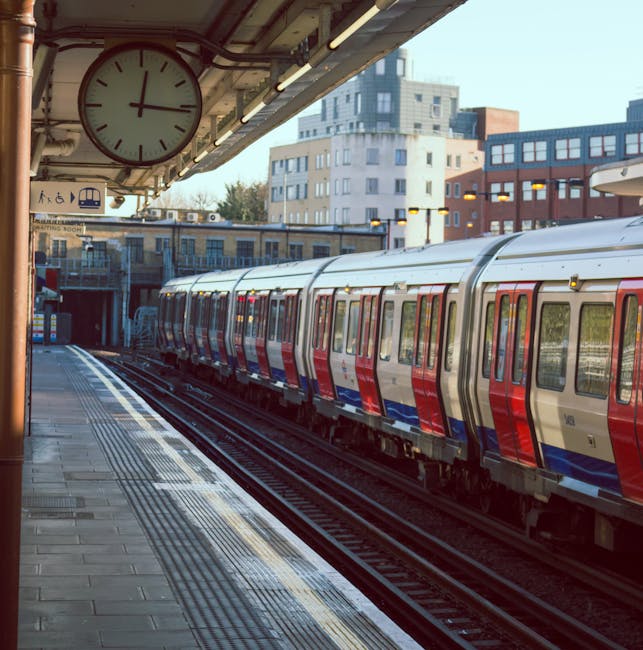
Barnes Bridge station emergency carpet cleaning service: fast help when carpets need urgent attention
If something spills, leaks, smears, or soaks into a carpet near Barnes Bridge station, time suddenly becomes the main issue. A good Barnes Bridge station emergency carpet cleaning service is not just about making the carpet look better again; it is about stopping a small incident from becoming a lingering smell, a stubborn stain, or a bigger repair job. Maybe it is a coffee splash before the morning train, a drink tipped in a busy office, or muddy water dragged in on a rainy London afternoon. Whatever the cause, fast action matters.
This guide walks you through how emergency carpet cleaning works, what to do in the first few minutes, who it is for, and how to choose the right approach without panicking. We will keep it practical, because in a real mess, you do not need fluff. You need clear steps, sensible expectations, and a service that understands urgency.
For readers who want a broader look at routine maintenance as well, the same local cleaning team also covers carpet cleaning, deep cleaning, and one-off cleaning. Those services are different from emergency response, but they often sit in the same practical conversation.
Quick takeaway: the best emergency carpet cleaning is prompt, careful, and matched to the type of spill. The first ten minutes often decide how much damage you are dealing with later.
Table of Contents
- Why Barnes Bridge station emergency carpet cleaning service Matters
- How Barnes Bridge station emergency carpet cleaning service Works
- Key Benefits and Practical Advantages
- Who This Is For and When It Makes Sense
- Step-by-Step Guidance
- Expert Tips for Better Results
- Common Mistakes to Avoid
- Tools, Resources and Recommendations
- Law, Compliance, Standards, or Best Practice
- Options, Methods, or Comparison Table
- Case Study or Real-World Example
- Practical Checklist
- Conclusion
- Frequently Asked Questions
Why Barnes Bridge station emergency carpet cleaning service Matters
Carpets absorb more than dirt. They hold moisture, odour, fine debris, and sometimes bacteria from everyday life. Near a busy station like Barnes Bridge, that means carpets can be exposed to quick-moving foot traffic, wet shoes, takeaway spills, and all the little interruptions that happen when people are rushing. One accident can spread fast if it is not handled properly.
Emergency carpet cleaning matters because carpets do not usually forgive delay. The longer a liquid sits, the deeper it migrates through the fibres and into the underlay. That is where the headaches start. A surface stain is one thing. A stain plus lingering dampness plus odour is another story entirely. To be fair, most people only realise this after they have tried blotting it with a kitchen towel for fifteen minutes. Usually a bit late.
There is also the practical side. A stained reception carpet, hallway runner, or flat carpet near the station can affect how people feel about the whole space. In an office, it can look unprofessional. In a rental, it can become a dispute. In a home, it can become the thing you keep glancing at every time you walk past it. That is annoying. Proper emergency cleaning reduces the chance of permanent marking, fibre distortion, and odour absorption.
And then there is timing. A rapid response can be the difference between a quick recovery and a deep restoration job. If the issue comes from builders' dust mixed with moisture, for example, you may need more than spot treatment. In those cases, services like after builders cleaning can be helpful alongside targeted carpet care.
How Barnes Bridge station emergency carpet cleaning service Works
Emergency carpet cleaning is usually a three-part process: assess, treat, and stabilise. The exact method depends on what has happened. A tea spill is not the same as pet urine, and neither is the same as flood water. A sensible cleaner will not treat them as if they are all identical, because they are not.
1. Initial assessment
The first step is to work out what has soaked into the carpet, how much area is affected, and whether the moisture has reached the underlay. This matters because the wrong method can make the problem worse. For example, over-wetting a carpet that already has liquid damage can push contamination deeper and slow the drying process.
2. Safe extraction or blotting
Where possible, the aim is to remove excess liquid before it travels further. This might mean careful blotting, targeted extraction, or a controlled cleaning pass with appropriate equipment. The goal is not to scrub aggressively. In fact, heavy scrubbing is one of the easiest ways to damage pile structure or spread a stain outward.
3. Stain and odour treatment
Once the bulk liquid is removed, the cleaner may apply a stain-specific treatment. Protein spills, tannins, grease, and general grime all behave differently. A decent method respects that. For odour, the key is usually to remove the source rather than simply cover it up. Masking smell with fragrance alone is a bit like putting a plaster on a leaking pipe.
4. Drying and finishing
After treatment, proper drying becomes the priority. That might mean ventilation, controlled airflow, or additional moisture extraction depending on the situation. The carpet should be left as stable as possible, with the fibres reset where needed. If the issue has also affected nearby soft furnishings, it may be sensible to look at upholstery cleaning or sofa cleaning too.
Key Benefits and Practical Advantages
The main advantage of emergency carpet cleaning is obvious: it helps save the carpet. But the real benefits go a bit further than that.
- Less chance of permanent staining: quick treatment often gives the fibres a better recovery chance.
- Reduced odour: especially important after drink spills, pet accidents, or damp intrusion.
- Faster return to normal use: a hallway, office, or home room can get back to functioning sooner.
- Better hygiene: urgent cleaning helps remove residue before it settles in.
- Lower long-term cost: acting early can prevent the need for replacement or extensive restoration.
- Better presentation: important if the carpet is in a customer-facing area or rental property.
There is also a less obvious benefit: peace of mind. When a spill happens, people often worry they have ruined the whole room. Sometimes they have not. A calm, competent emergency response can rescue the situation far more often than people expect.
And because emergency issues do not always come alone, it can help to know that a broader cleaning support option is available too, such as domestic cleaning for homes or office cleaning for workplaces needing a more complete reset.
Who This Is For and When It Makes Sense
This kind of service is useful for a surprisingly wide range of people. If you are near Barnes Bridge station and the carpet problem is urgent, you probably already know which group you fall into. But here is the practical breakdown.
Homeowners and tenants
If a drink, pet accident, or leak has reached the carpet, quick help can stop a small household problem from becoming a landlord issue or a long-lasting smell. In a rental, especially, speed matters because carpets are often part of the end-of-tenancy condition. If the incident is connected to moving out or handover pressure, end of tenancy cleaning may also be relevant.
Offices and small businesses
Office carpets near entrances, break areas, or reception desks can take a beating. A spill just before clients arrive can feel like a mini catastrophe. It is not, though. It is simply a job for fast cleaning and a bit of practical judgment. Many businesses combine urgent carpet support with office cleaners or routine site maintenance.
Property managers and landlords
For shared buildings, short-let properties, or managed rentals, quick carpet treatment helps keep standards consistent. It also helps avoid the awkward, time-consuming conversation about whether a stain is old, new, or somehow both. Property people know the feeling.
Families with children or pets
Spills happen. Mud happens. The occasional mystery mark happens too, and nobody really wants a lecture about it. The point is to contain the damage before it becomes embedded. A local emergency cleaner can help you get back to normal without turning the whole evening into a cleaning experiment.
Step-by-Step Guidance
If you are dealing with a carpet emergency right now, the following sequence is the one to follow. It is simple, but simple done well is often enough.
- Stop the source. If a liquid is still leaking or being tracked in, deal with that first.
- Protect the area. Keep foot traffic off the carpet so the problem does not spread.
- Blot, do not rub. Use clean absorbent material and press gently. Rubbing can drive the mark deeper.
- Check the carpet type. Wool, synthetic, and blended carpets can react differently to moisture and cleaning products.
- Avoid random chemicals. A strong household cleaner can bleach dyes, set stains, or leave residue.
- Improve airflow. Open windows if appropriate and safe to do so. Drying starts immediately.
- Decide whether it is a surface issue or a deeper soak. If the carpet feels wet through, professional extraction is usually the better call.
- Book urgent help if needed. The sooner the cleaner can intervene, the better the odds of recovery.
Small but important detail: if the spill is oily, protein-based, or unknown, don't assume water alone will fix it. It often won't. That is one of the classic mistakes people make on autopilot at 8:30 in the morning while half dressed and late for the train. Understandable, but not ideal.
Expert Tips for Better Results
Here are the practical things that usually make the biggest difference.
- Work from the outside in. This limits the spread of the stain.
- Use light pressure first. Heavy pressure can push residue further into the pile.
- Match the treatment to the stain. Food, drink, mud, ink, and pet accidents all need different approaches.
- Do a discreet spot test if a product is being used. This is especially important on dyed or delicate carpets.
- Dry faster, not hotter. Fast airflow is usually better than blasting heat at the carpet.
- Lift solids before liquid treatment. If there is debris, remove it carefully first.
- Keep an eye on odour the next day. Sometimes a carpet looks fine but still needs deeper treatment.
If the carpet sits in a busy entrance or communal route, ask the cleaner about follow-up maintenance. In those locations, a one-off emergency clean might solve the immediate issue, but a longer-term plan may be smarter. It is not glamorous, but it saves hassle later. Truth be told, most good cleaning work is just good judgment repeated reliably.
Common Mistakes to Avoid
Emergency carpet cleaning often goes wrong because people are trying to help too quickly. That sounds unfair, but it happens all the time.
- Rubbing the stain. This is the big one. It spreads residue and damages the fibres.
- Using too much water. Over-wetting can make drying harder and push contamination deeper.
- Applying bleach or random detergents. These can discolour the carpet or leave sticky residue.
- Waiting too long. A stain left overnight is much harder to manage than one handled immediately.
- Ignoring the underlay. Surface cleaning alone does not solve deeper saturation.
- Mixing cleaning products. This can cause unsafe fumes or unpredictable results.
- Hiding the issue with fragrance. Smell is often a symptom, not the whole problem.
And yes, some carpets do look as if they have survived a minor storm. That does not mean they are beyond help. But it does mean you should not keep experimenting on them like a chemistry set.
Tools, Resources and Recommendations
You do not need a van full of gadgets to handle the first stage of a spill, but the right basics help. If you are preparing for emergencies in a home, office, or managed building near Barnes Bridge station, keep these around.
| Item | What it helps with | Why it matters |
|---|---|---|
| Clean absorbent cloths | Initial blotting | Removes liquid without pushing it deeper |
| White paper towels | Checking colour transfer | Helps you see whether dye is lifting |
| Soft-bristled brush | Gentle fibre work | Useful only when appropriate and lightly applied |
| Ventilation access | Drying support | Speeds up recovery after treatment |
| Protective gloves | Hygiene and safety | Useful for unknown spills or contaminated moisture |
| Wet extraction equipment | Professional-level removal | Best for deeper saturation and stubborn residue |
For professional support, it helps to choose a cleaning company that explains its process clearly and does not rush you into the wrong method. A reliable cleaning company should be able to talk plainly about stain type, moisture depth, and drying expectations. You might also want to read about the company's about us, especially if trust and local familiarity matter to you.
On the practical side, it is sensible to review pricing and quotes before an emergency happens. Nobody loves thinking about that in advance, but it makes decision-making calmer when the pressure is on.
Law, Compliance, Standards, or Best Practice
Emergency carpet cleaning is not usually a heavily regulated activity in itself, but good practice still matters. In the UK, cleaners working in homes, offices, and shared buildings are generally expected to operate safely, handle chemicals responsibly, and avoid causing damage. That sounds obvious, but it is worth saying because a rushed job can create a second problem while trying to solve the first.
For customers, the main things to look for are straightforward: clear communication, sensible product use, basic safety awareness, and insurance where appropriate. If cleaners are working in a public-facing or shared environment, they should also be mindful of slip risks, drying times, and access control. That is just common sense, though common sense sometimes needs spelling out.
If you are comparing providers, it is reasonable to ask about safety processes, liability cover, and how they handle delicate surfaces. A business with a clear health and safety policy and insurance and safety information gives you a better sense of how seriously they treat the work. You may also find it useful to review their terms and conditions so expectations are clear before the job starts.
For waste, odour control, and general housekeeping after a spill, sensible environmental practice matters too. If your cleaning needs involve disposal or broader property refresh work, a provider's recycling and sustainability approach may be relevant. Not every job needs a grand sustainability discussion, but it helps when a company is careful rather than careless.
Options, Methods, or Comparison Table
Not every urgent carpet issue needs the same level of response. Here is a simple comparison that helps with decision-making.
| Method | Best for | Strengths | Limitations |
|---|---|---|---|
| Immediate blotting | Fresh small spills | Fast, low-cost, easy to start | Not enough for deep saturation or set stains |
| Spot cleaning | Localised marks | Targets the problem area | Can spread stain if done badly |
| Professional extraction | Large spills or deep wetting | Better moisture removal and drying | Requires equipment and expertise |
| Odour and stain treatment | Persistent smells or residue | Addresses the source more effectively | Needs correct product choice |
| Full deep clean | Heavy soiling or broader contamination | More complete refresh | May be more than you need for a fresh spill |
If you are wondering whether you need an emergency visit or a standard clean, ask yourself one simple question: is the carpet merely dirty, or is it wet, smelly, or visibly damaged right now? If it is any of those, emergency treatment usually makes more sense. For less urgent situations, a scheduled carpet cleaner visit or broader carpets cleaner service may be enough.
Case Study or Real-World Example
Picture a weekday morning near Barnes Bridge station. A commuter drops a takeaway coffee in a hallway just before leaving for work. The carpet is pale, the spill spreads quickly, and the first instinct is to grab the nearest towel and rub. Not the best move, but it is a familiar one.
Instead, the better response is simple: blot the coffee, keep traffic away, and assess whether the liquid has gone beyond the surface. If the area still feels damp after the first pass, call for urgent help. In a real-world situation like this, a professional cleaner would likely focus on extracting the moisture, treating any tannin mark from the coffee, and making sure the carpet dries evenly so no ring develops. That ring is the annoying bit, the one that shows up later when you think the problem is over.
Now compare that with a pet accident in a flat or a spill in an office entry area after a rainy evening. The same rapid logic applies, but the treatment may change depending on contamination, odour, and fibre type. That is why emergency cleaning works best when the operator looks at the whole situation, not just the visible mark.
In mixed-use spaces, nearby soft furnishings can also benefit from attention at the same time. A service that can handle rug cleaning or upholstery cleaning can save time and keep the whole area consistent.
Practical Checklist
Use this checklist if you need to act quickly.
- Identify the spill or source of moisture.
- Stop further liquid transfer or foot traffic.
- Blot gently with clean absorbent material.
- Avoid scrubbing or random chemical use.
- Check whether the carpet feels wet underneath.
- Improve airflow if it is safe to do so.
- Note any smell, colour change, or fibre damage.
- Decide whether the issue is surface-level or deeper.
- Arrange emergency carpet cleaning if the stain is spreading, wet, or odorous.
- Review follow-up care after the carpet dries.
If the spill happened in a workplace or shared building, it is also smart to check whether neighbouring areas need attention. Entry mats, nearby floors, and touchpoints can all be affected. A broader hard floor cleaning or window cleaning visit may make sense if the incident coincided with general grime or muddy weather. Sometimes a small problem is sitting inside a bigger one.
Conclusion
A Barnes Bridge station emergency carpet cleaning service is about more than stain removal. It is about speed, calm handling, and choosing the right method before a spill has time to settle into the carpet's structure. The earlier you act, the better the chance of saving the fibres, preventing odour, and keeping the room usable without fuss.
If you remember only one thing, make it this: blot first, avoid harsh products, and get help quickly when the stain is wet, spreading, or smells off. That simple approach solves more problems than people expect. And it saves a lot of unnecessary worry too.
Get a free quote today and see how much you can save.
For service details, company background, and practical support across domestic and commercial cleaning, you can also review the team's cleaners page and their contact us information when you are ready to move forward.
Frequently Asked Questions
How quickly should I deal with a carpet spill near Barnes Bridge station?
As quickly as possible. Fresh spills are much easier to manage than stains that have had time to dry, settle, or soak through to the underlay. Even a few minutes can make a difference.
Can I use washing-up liquid on a carpet stain?
Sometimes people try this, but it is not always the best idea. Household detergent can leave residue, attract dirt, or affect colour on some carpets. Use caution and test carefully if you are unsure.
What is the difference between emergency carpet cleaning and regular carpet cleaning?
Emergency carpet cleaning is for urgent incidents like fresh spills, leaks, odours, or contamination that needs fast action. Regular carpet cleaning is planned maintenance for general dirt and wear.
Will emergency carpet cleaning remove all stains?
Not always. Results depend on the stain type, how long it has been there, the carpet fibre, and whether the liquid reached the underlay. Fast treatment improves the odds, but nothing can be promised blindly.
Is wet carpet dangerous if I leave it overnight?
It can become a problem. Prolonged dampness may cause odour, fibre distortion, and in some cases deeper moisture issues. If the area is substantial, professional drying and cleaning are a good idea.
Do I need emergency cleaning for a small coffee spill?
If the spill is tiny and caught immediately, you may handle it yourself. If it has spread, darkened the pile, or left a smell, a professional response is worth considering.
Can emergency carpet cleaning help with pet accidents?
Yes, and that is one of the most common reasons people call. Pet accidents need prompt treatment because odour can linger even when the visible mark looks minor.
How long does a carpet take to dry after urgent cleaning?
Drying time depends on carpet type, moisture level, airflow, and treatment method. A professional cleaner should explain what to expect before leaving the property.
What should I tell the cleaner when I call?
Explain what caused the spill, how large the area is, whether it smells, how long it has been there, and whether you have already tried anything. Those details help them choose the right approach.
Can emergency carpet cleaning be used in offices as well as homes?
Yes. Offices often need urgent carpet care for drink spills, muddy entrances, and reception areas. In a business setting, fast cleaning also helps protect presentation and reduce disruption.
Should I clean the carpet myself first or wait for the professional?
Do the basics first: blot gently, keep the area clear, and avoid harsh products. After that, if the issue looks deeper or the stain is stubborn, waiting for professional help is usually wiser than experimenting.
Where can I find more information about the company's policies and service expectations?
You can review the company's privacy policy, payment and security information, and complaints procedure for extra reassurance before booking.